
ASM Microbe 2026 Recap: Sequencing the Future of Microbial Science
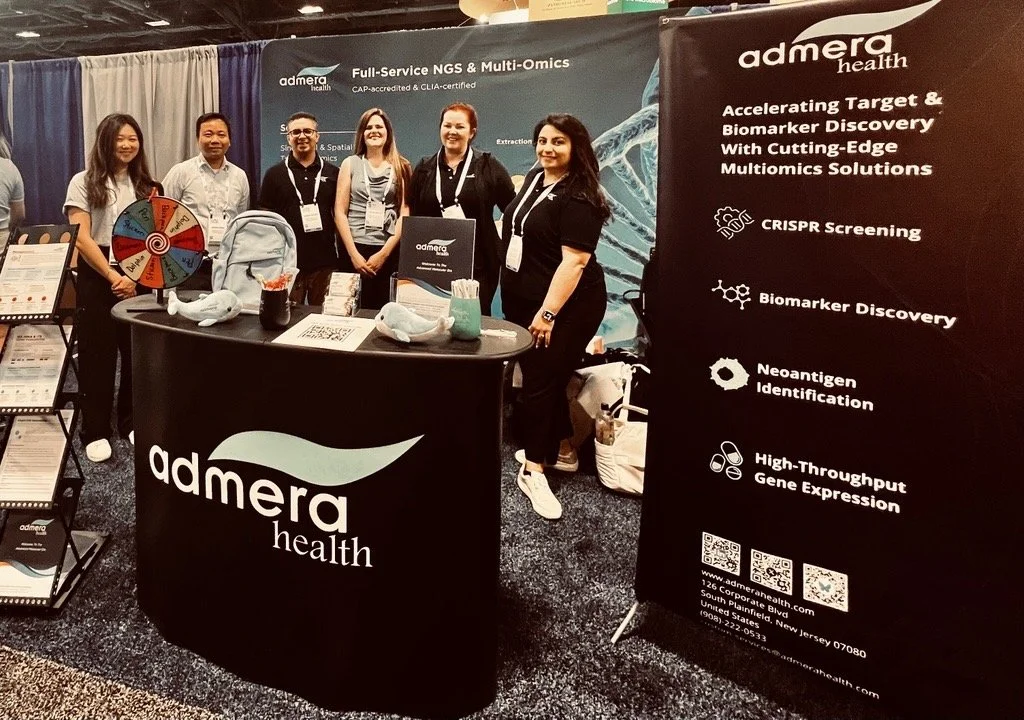
The Annual Society of Microbiology Conference brought together thousands of microbiologists, clinicians, and industry researchers for four days of science, collaboration, and discovery at the Walter E. Washington Convention Center in Washington, D.C. For the Admera Health team, the focus was meaningful conversations about the sequencing challenges researchers are facing right now and how our services and expertise are built to meet them.
From 16S rRNA and ITS sequencing to shotgun metagenomics, AMR detection, and meta-transcriptomics, we connected with researchers, clinicians, and biotech teams doing remarkable work across health, agriculture, environmental science, and industry and where Admera's expertise fits into moving it forward.
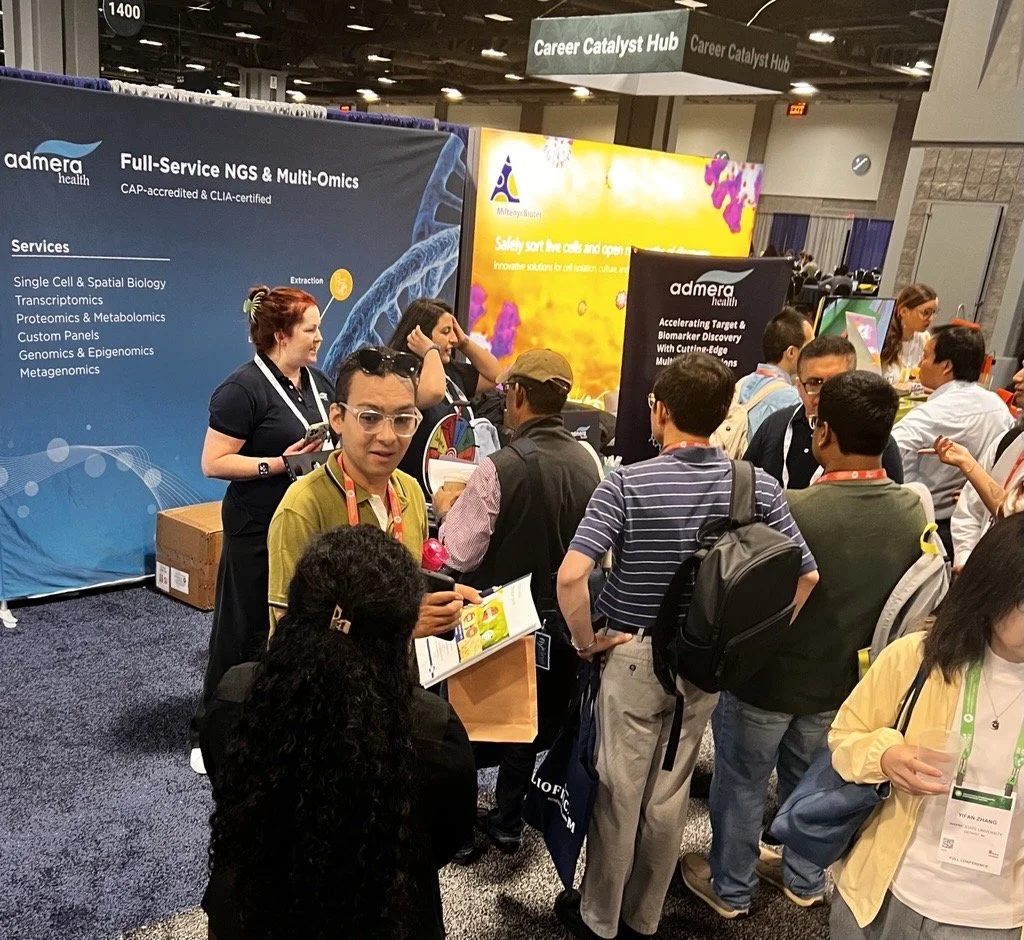
What the Microbiome Community Is Actually Talking About
If ASM Microbe had a defining theme, it was microbial discovery at scale. Researchers aren't just exploring anymore they're designing studies, scoping workflows, and asking hard questions about which sequencing approach actually fits their science. Most notably, 16S and ITS conversations are crossing into clinical and translational settings and that changes everything.
16S rRNA & ITS Sequencing Continues to Drive Microbial Discovery Across Every Field
Researchers across health, agriculture, environmental science, and industry are leaning on targeted amplicon sequencing to answer questions that weren't approachable even a few years ago.
The applications are broad but the ask is consistent: data you can publish, submit, and defend.
In Admera Health’s CAP/CLIA/CLEP-accredited environment, that's exactly what they get with flexible hypervariable region coverage, end-to-end bioinformatics, and a dedicated scientist from day one.
The Shift to Shotgun Metagenomics Is Real
Your sample contains a world of microbial data. Are you capturing all of it?
Go beyond targeted sequencing & unlock strain-level resolution, functional profiling, and AMR detection from a single workflow.
Learn More
Alongside targeted sequencing, shotgun metagenomics is gaining serious momentum. More labs are moving beyond 16S to capture the functional and strain-level resolution of their science demands — AMR gene detection, full community profiling, host-pathogen dynamics — and we're seeing more projects that integrate both.
Admera Health supports the full spectrum, from amplicon to metagenomics to single-cell and long-read workflows, with end-to-end bioinformatics built in.
Admera’s automated workflow for sample extraction and both short‑ and long‑read library preparation, enables us to process large‑scale sample sets in a high‑throughput manner.
Challenging Samples, Uncompromising Standards
Sequencing approaches were front and center, but what kept surfacing was more fundamental: reliable data, transparent communication, and a partner who already understands your sample. One thing that consistently resonated is our ability to handle challenging samples — low-biomass inputs and complex environmental matrices. Where other providers struggle, we've built deep expertise. It's not a workaround. It's what we do.
Our microbial sequencing services are built around high-quality data delivery, straightforward project management, and PhD scientific support from start to finish — because your research deserves more than a transaction.
What's Next
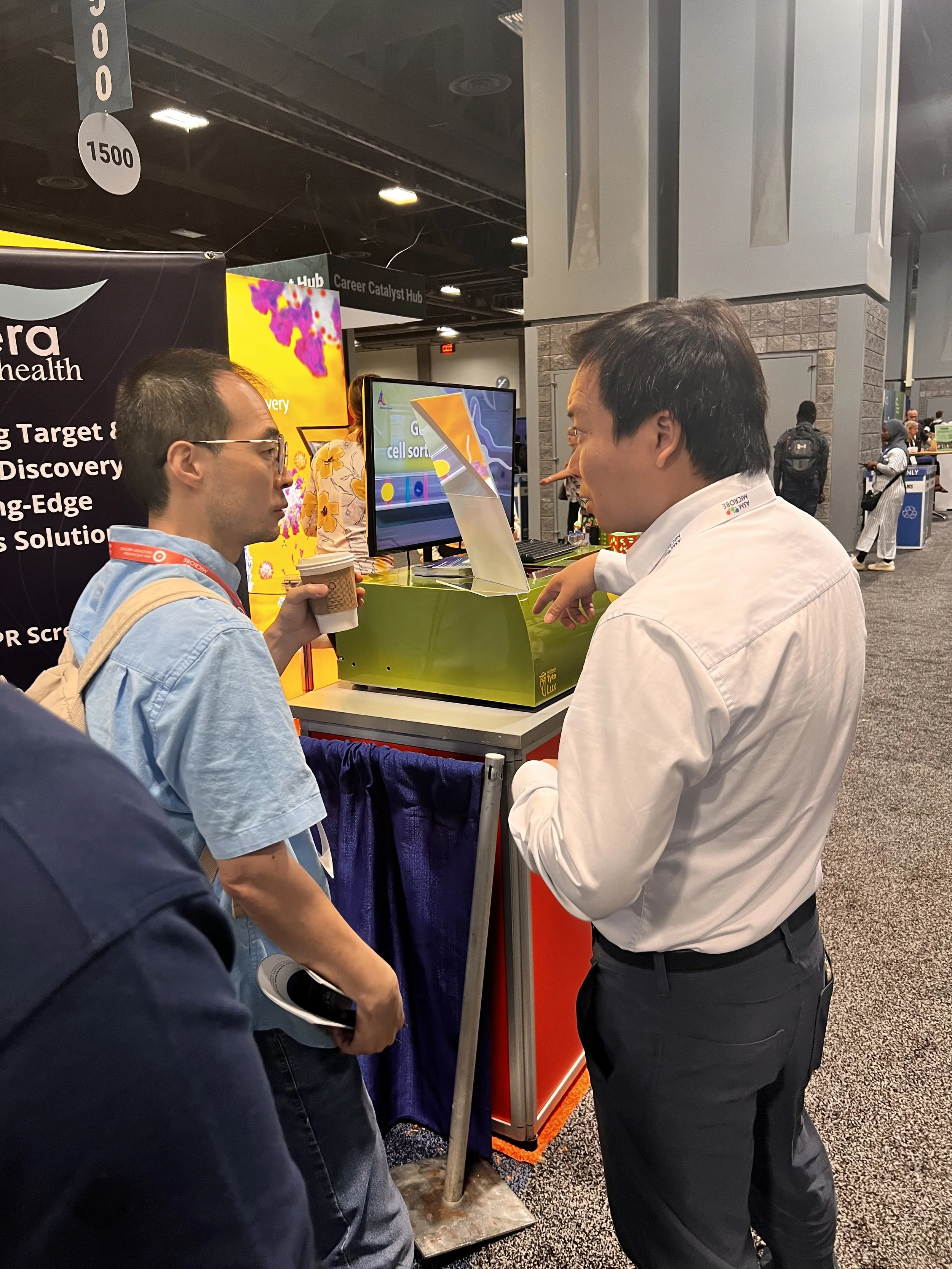
The badges are off, but this week is where the real work begins. Our team is actively following up on every conversation from the show and if we didn't connect in person, it's not too late.
We'll see you at ASM Microbe 2027. Check back soon for more updates!
Research Powered by Admera Health
The research Admera Health supports spans fields, organisms, and continents. Discover the peer-reviewed science Admera Health has helped make possible.
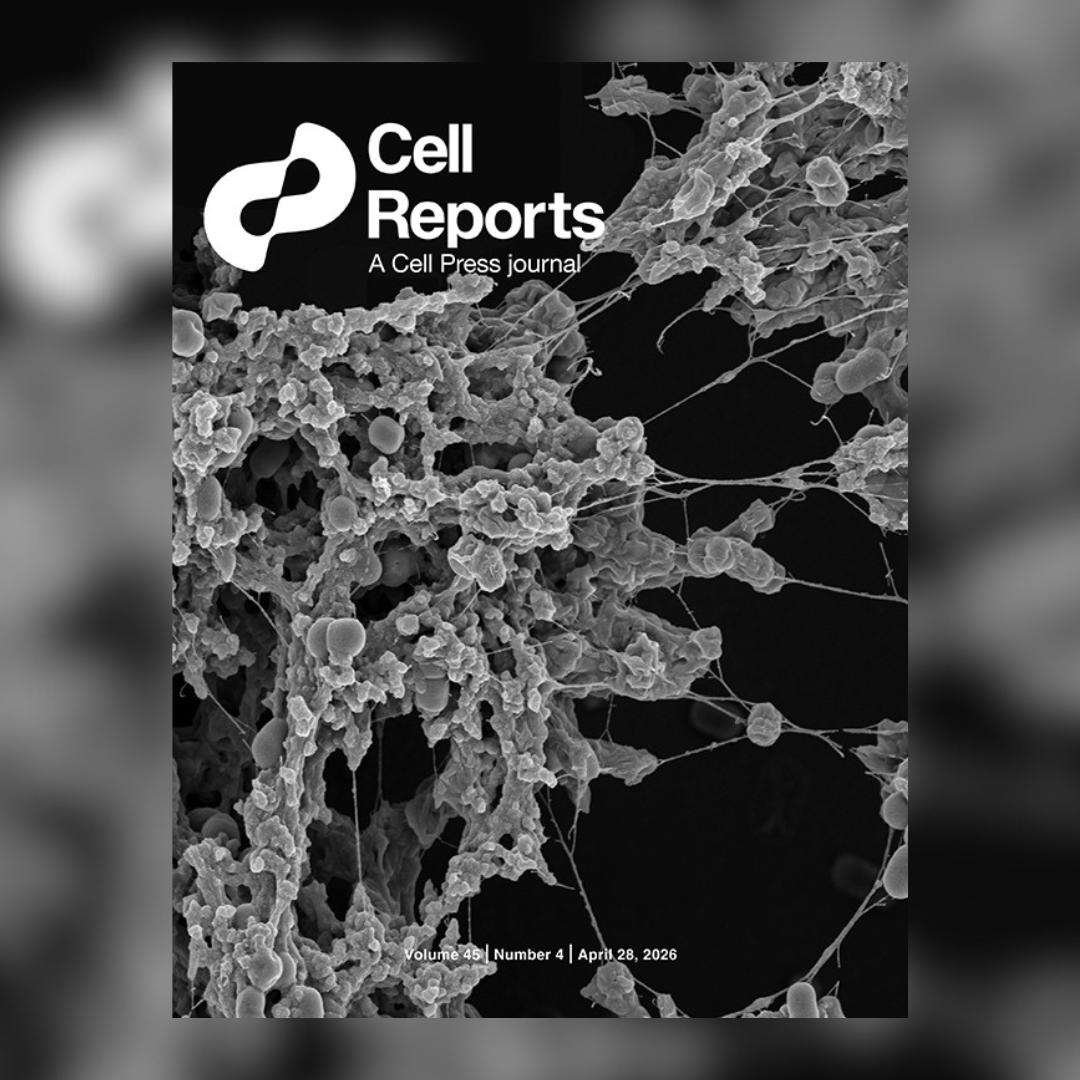
Tracking Antibiotic Resistance Genes Through Wastewater and River Systems
Read the Publication →
Foodborne Pathogen Surveillance Across Africa
Read the Publication →
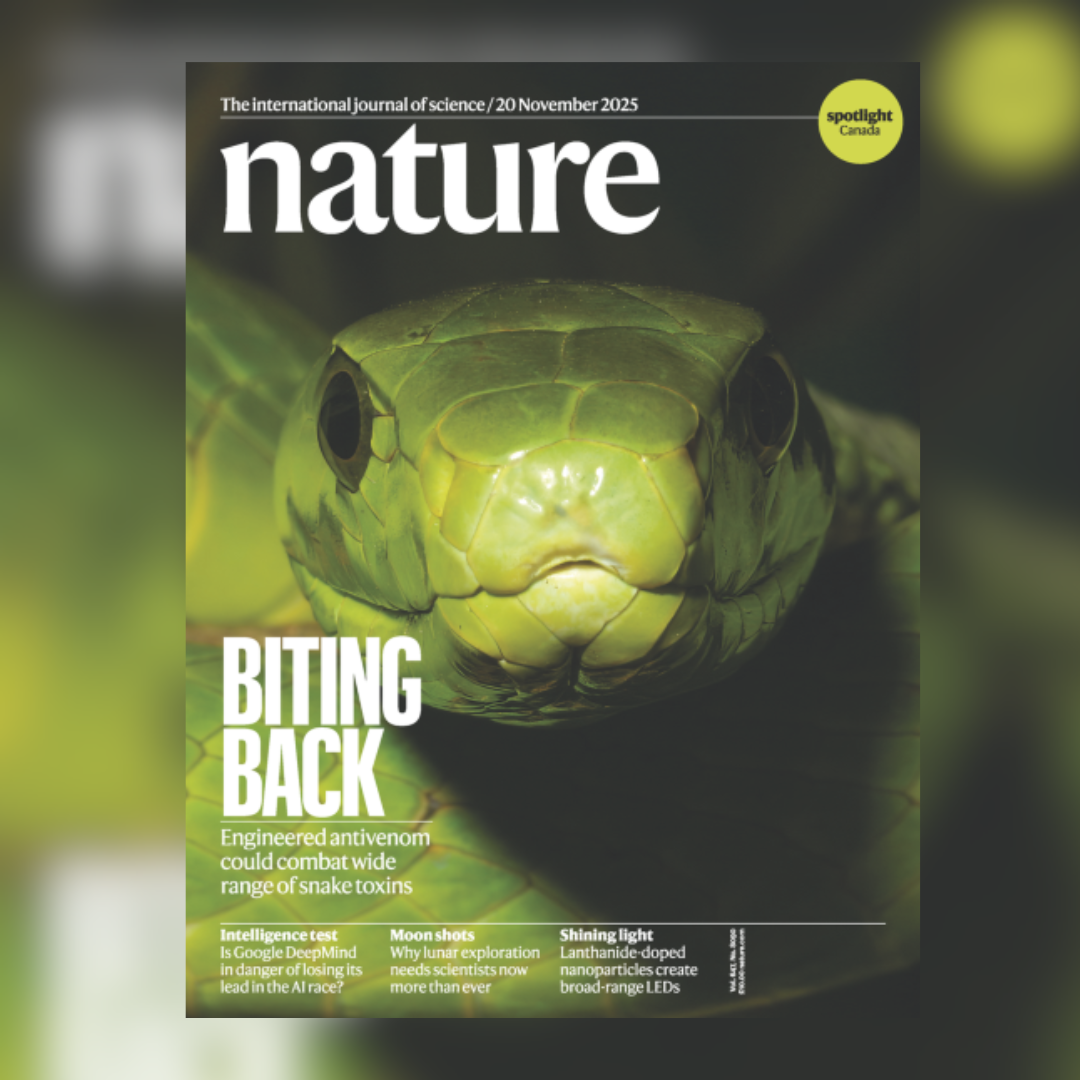
Invertebrate Biology: Diet Effects in Planarians and Ant Reproductive Aging
Two published studies highlight Admera's role supporting RNA-seq in non-traditional model organisms — an area of growing interest as researchers push beyond standard models.
Read the Publication →
Read the Publication →

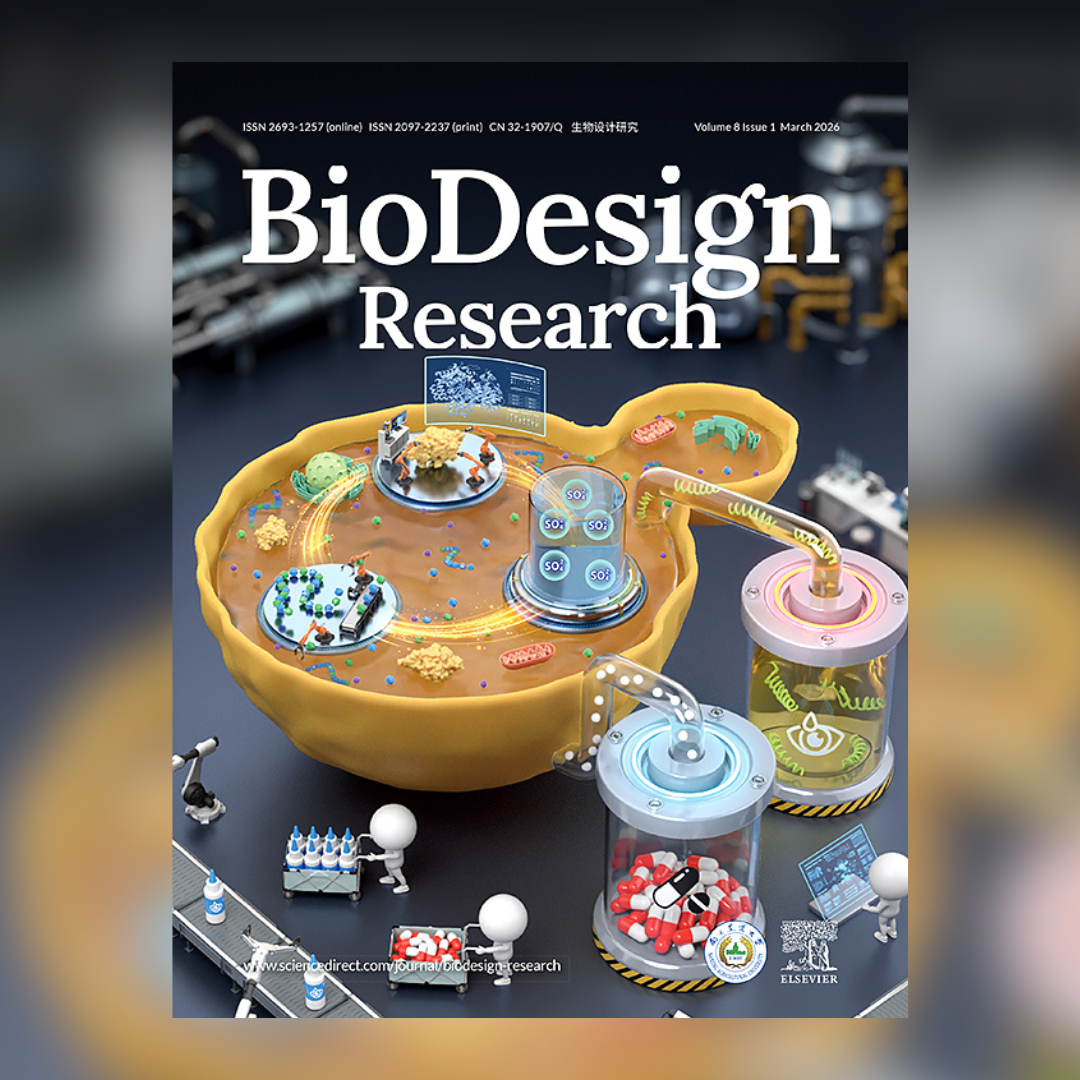
Engineering Crop Defense and Reading the Insect Gut Response
Read the Publication →
Meet the Team Who Represented Admera Health
Sarah Deeb, Sales Executive, M.S. Five years in NGS, with a sharp ability to translate complex sequencing challenges into actionable research plans. Sarah bridges science and strategy so your project moves forward not sideways.
Shannon Piehl - Senior Sales Executive. With a career spanning NGS applications, sample prep, and genomics sales, Shannon brings end-to-end expertise that few can match - from the bench to the bottom line.
She helps researchers and biopharma teams cut through complexity and move their sequencing projects forward with confidence.
Sumant Grover, Sales Executive, Ph.D. Sumant brings scientific depth to every conversation — from early-stage study design to complex collaborative workflows. If your project needs a PhD thought partner, start here.
Contact us to discuss your project and workflow needs.
Admera Health provides end-to-end genomic services including NGS, multi-omics, and spatial biology solutions for academic, clinical, and biopharma research. Contact us to discuss your project and workflow needs.